
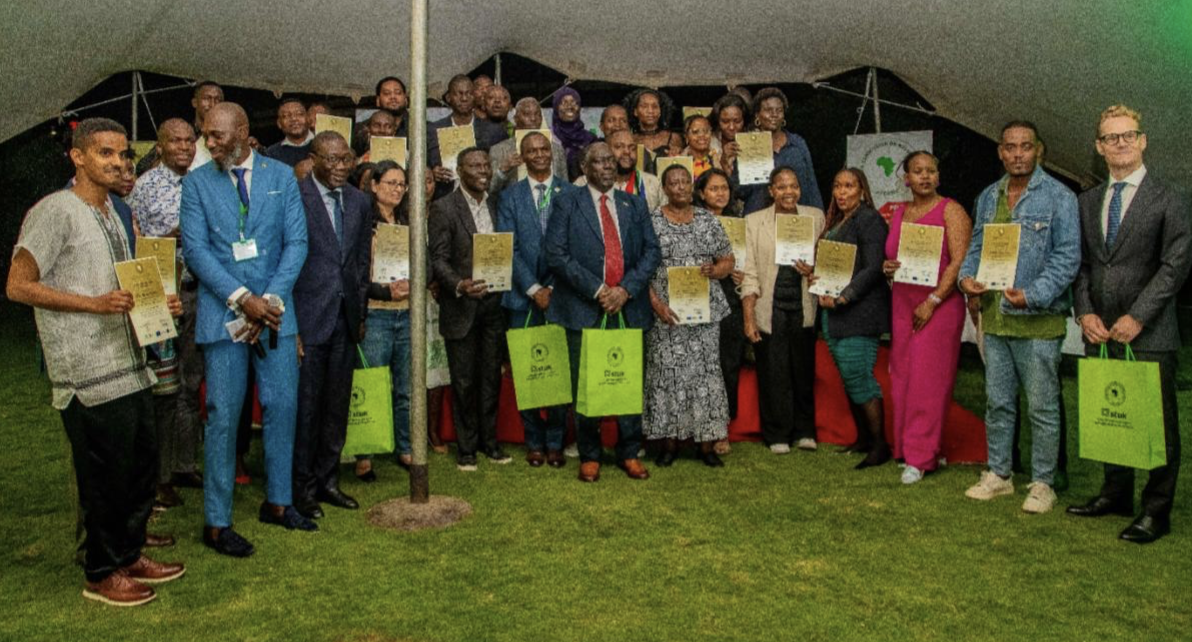
Africa Member States to the Pelindaba Treaty gather for a group photo following a certificate award ceremony in Nairobi, Kenya.
In a major step toward building a robust nuclear safety framework across the continent, an international collaborative initiative has successfully equipped specialists from more than 18 African States with critical skills in nuclear material accountancy and control.
The high-level training program, focused on AFCONE nuclear safeguards, concluded with a formal gala dinner where participants were awarded their completion certificates. The prestigious event was attended by top diplomats, including the ambassadors from Senegal, Sudan, and Finland, signalling strong international solidarity and geopolitical backing for Africa’s peaceful nuclear ambitions.
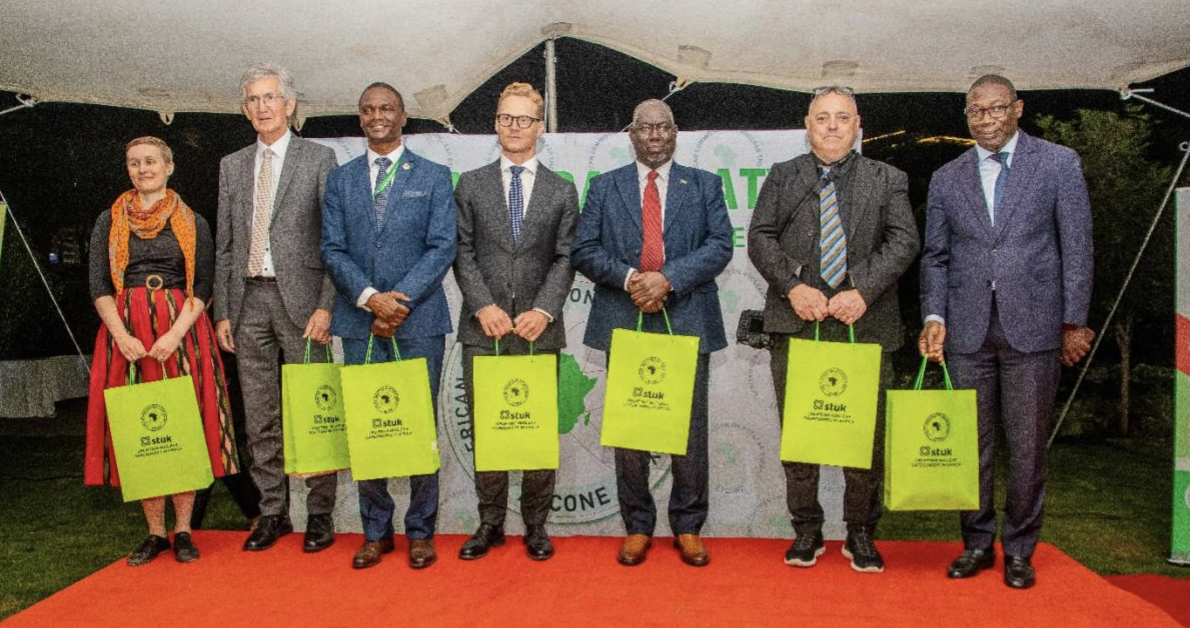
Ambassadors from Senegal, Sudan, and Finland join resource persons for a group photo after presenting awards to participants in Nairobi, Kenya.
The extensive capacity-building project was massively supported by the European Union (EU). It drew directly on the world-class specialized expertise of the Radiation and Nuclear Safety Authority of Finland (STUK) and the International Atomic Energy Agency (IAEA).
Over the course of the initiative, experts provided deep technical knowledge designed to elevate state tracking systems and align regional nuclear governance with strict global non-proliferation standards.
The expansion of safe, transparent nuclear technologies is heavily anchored within the African Union’s Agenda 2063: The Africa We Want. With hundreds of millions of people across the continent currently lacking access to electricity, transitioning toward clean, reliable baseload power is a top developmental priority.
By mastering nuclear material controls today, African Member States are building the foundational safety architecture required to operate future nuclear power plants and research reactors. These training efforts unlock the safe execution of Agenda 2063’s infrastructure goals, proving that Africa’s pathway toward socioeconomic industrialization will remain safe, sustainable, and internationally trusted.
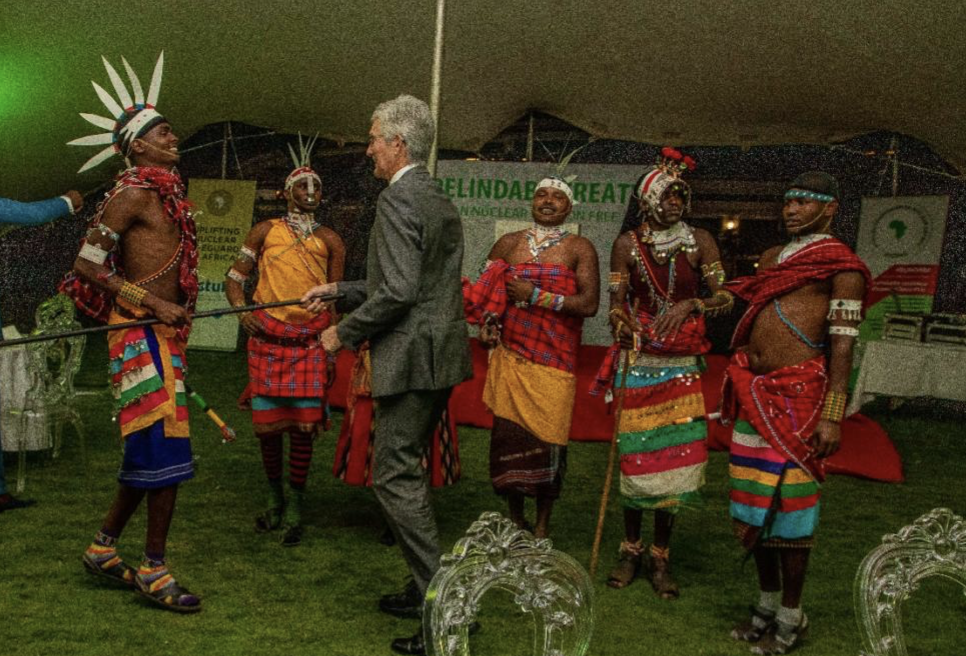
AFCONE and STUK delegations interacts after bilateral meeting in Vienna.
The Pelindaba Treaty (the African Nuclear-Weapon-Free Zone Treaty) mandates that all nuclear developments across the continent must be strictly limited to peaceful applications.
The African Commission on Nuclear Energy (AFCONE) serves as the intergovernmental body tasked with enforcing compliance with the treaty. By institutionalizing strict safeguards and accountancy measures, this EU- and STUK-backed initiative directly empowers AFCONE to uphold the core tenets of the Pelindaba Treaty. It transforms a high-level diplomatic accord into measurable, everyday technical practices—ensuring that Africa remains a zone completely free of nuclear weapons while safely exploiting the atom for civilian development.