
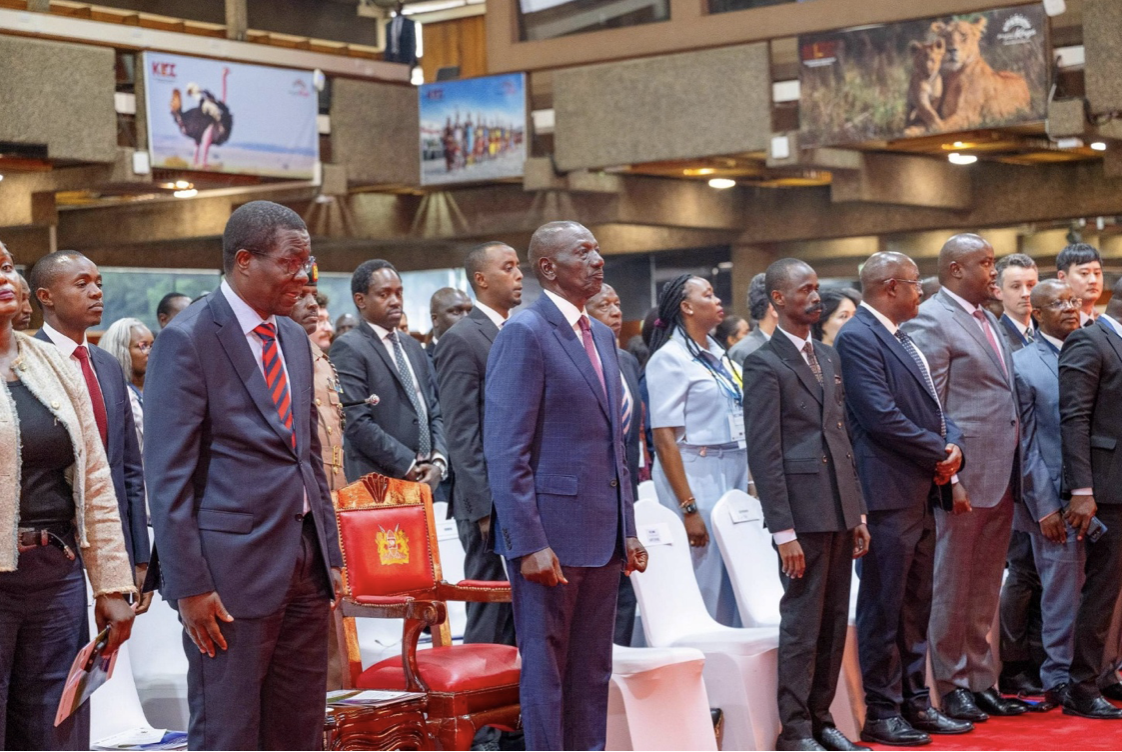
H.E. Dr Willaim Ruto in company of AFCONE Chairperson H.E. Gaspard LIYOKO MBOYO participating at the International Conference on Nuclear Energy (ICoNE) in NairobiKenya on 25th March 2026
The Republic of Kenya is poised to rewrite its Africa’s energy narrative by transitioning from a reliance on geothermal and hydro to becoming East Africa’s first country to harness nuclear energy.
Speaking during the International Conference on Nuclear Energy (ICoNE 2026) in Nairobi, H.E. Dr Samuel Ruto, the President of Kenya, confirmed that the 2,000-megawatt (MW) facility will be constructed in Siaya County, with construction set to begin in 2027.
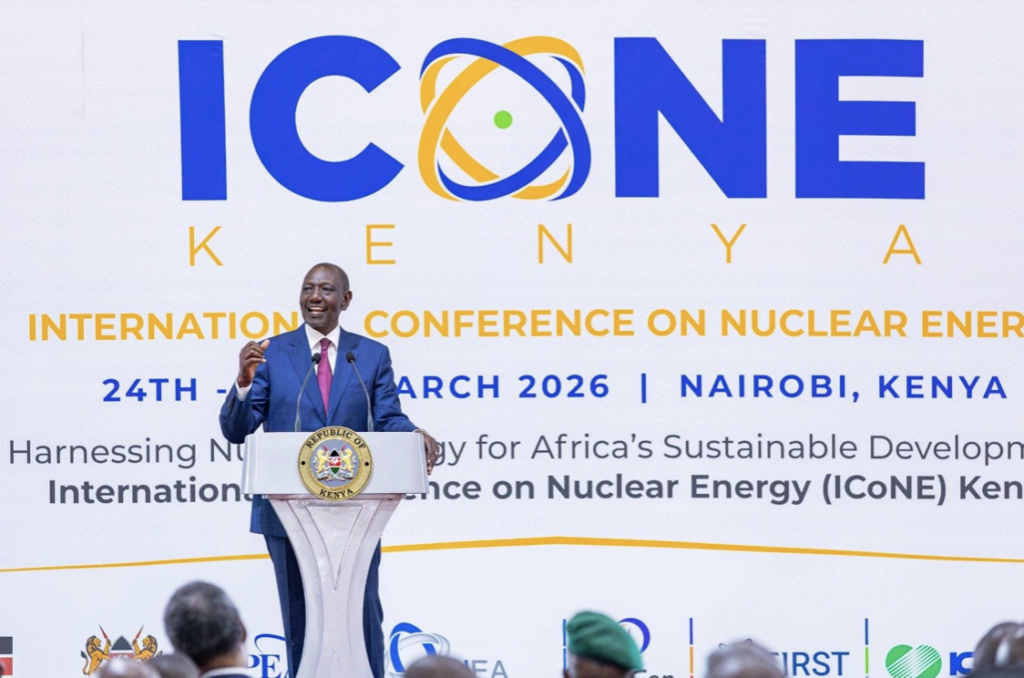
H.E. Dr William Ruto, the President of Republic of Kenya, announcing the launch nuclear power plant at the International Conference on Nuclear Energy (ICoNE) in NairobiKenya on 25th March 2026.
Addressing delegates, President Ruto highlighted that Kenya is making a “deliberate and strategic decision” to expand its energy capacity to meet growing industrial demand. The plan involves increasing the country’s total installed capacity from the current ~3,300MW to at least 10,000MW within the next five to seven years.
Kenya’s journey is not happening in isolation. The African Commission on Nuclear Energy (AFCONE) is playing a pivotal role in ensuring that such developments across the continent are safe, secure, and peaceful.
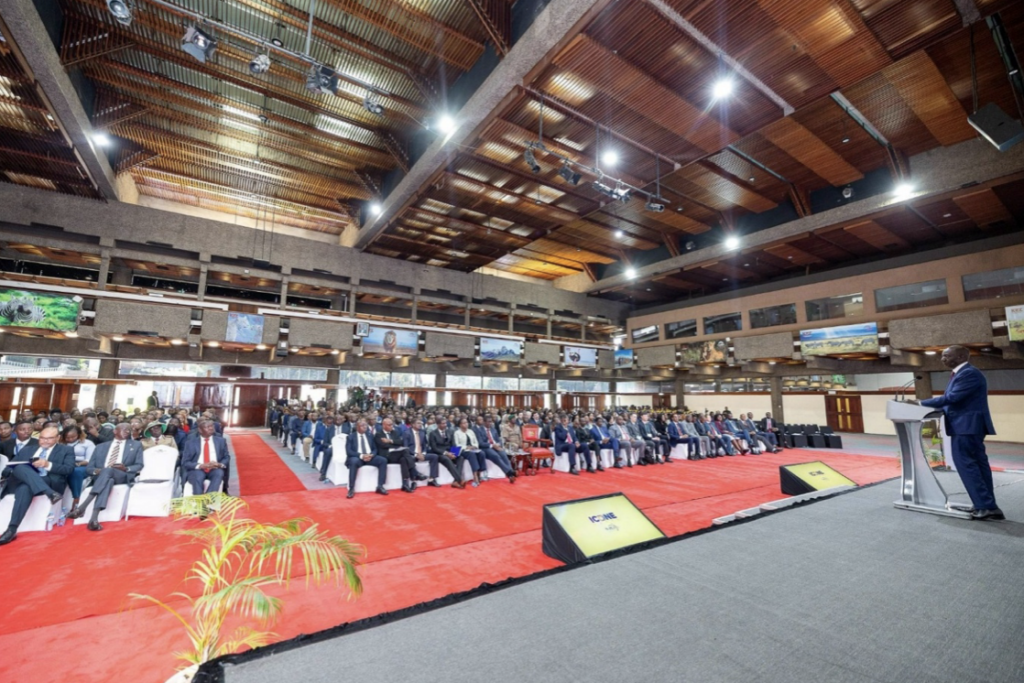
H.E. Dr William Ruto addressing participants at the International Conference on Nuclear Energy (ICoNE) in NairobiKenya on 25th March 2026:
As Kenya leads this charge, the AFCONE reaffirmed its commitment to guiding Kenya and other African nations through the complex and high-stakes nuclear journey.
“AFCONE will play a central role in supporting AU Member States… ensuring that Africa’s nuclear development pathway remains responsible, transparent, and anchored in peaceful use,” stated AFCONE Chairperson H.E. Gaspard Liyoko Mboyo during the International Conference on Nuclear Energy (ICoNE).
As Kenya moves forward, it sets a precedent for the continent, proving that with strategic partnerships and strict security protocols, Africa can harness nuclear energy for sustainable development.
Kenya’s journey is heavily anchored in the 1996 African Nuclear-Weapon-Free Zone Treaty, commonly known as the Pelindaba Treaty. The treaty, which entered into force in 2009, serves as the cornerstone for African security, ensuring that nuclear technology is utilized exclusively for peaceful purposes.